Gas Furnace, Electric Furnace, Heat Pump, or Dual Fuel: What Actually Fits a Missouri Winter
Pulaski County winters swing from mild to genuinely cold, and the right system depends on that swing more than any brand name.
September 16, 2026 · 4 min read
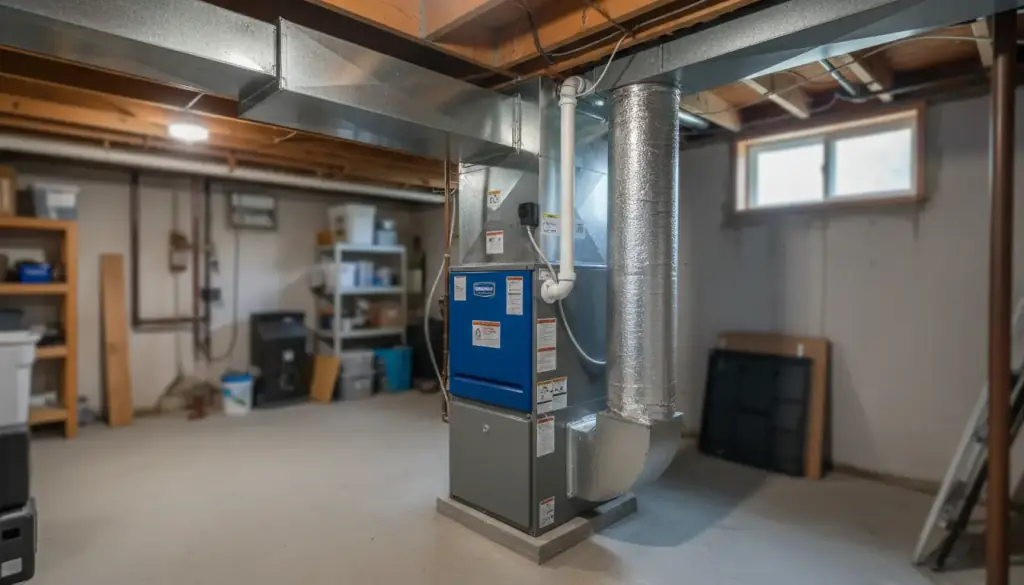
A Missouri winter doesn't sit at one temperature. St. Robert can have a 55-degree afternoon in December and a hard freeze a week later, and that swing is exactly what makes the choice between a gas furnace, an electric furnace, a heat pump, and a dual fuel system a real decision rather than a matter of preference. Crawford's Heating & Cooling installs and services all four on residential and commercial systems, all brands, so this is about what actually suits the climate here, not a sales pitch for any one of them.
Gas furnaces: the familiar default
A gas furnace burns natural gas or propane to produce heat directly, and it does that regardless of how cold it is outside, which is its biggest advantage in a real winter. It heats fast and holds that performance whether it's 40 degrees or 10 degrees outside. The tradeoffs are that it needs a gas line or propane tank, and it's a combustion appliance, which means proper venting and a working carbon monoxide detector aren't optional. For a home that already has gas service, a furnace remains one of the most reliable ways to heat through a genuinely cold Missouri stretch.
Electric furnaces: simple, but not cheap to run
An electric furnace uses resistance heating elements, similar in principle to a space heater, to warm air and push it through the ductwork. There's no combustion, no gas line, and less that can go wrong mechanically, which makes it a straightforward option for a home without gas access. The downside is operating cost: electric resistance heat is one of the more expensive ways to heat a house, because you're paying for every unit of heat you get rather than moving heat that's already sitting in the outside air. It's a solid choice where gas isn't an option, less so where it is.
Heat pumps: efficient, with one real limit
A heat pump moves heat rather than generating it, which makes it far more efficient than either furnace type through mild and moderately cold weather, and it does double duty as your air conditioning in summer. The catch is what happens as outdoor temperatures drop toward and below freezing: there's less heat in the outside air to move, and efficiency drops with it. Most heat pumps have a balance point, a temperature below which they can no longer keep up with the house's heat loss on their own, and that's when auxiliary or emergency heat strips kick in to cover the gap. It's also worth knowing that a heat pump's outdoor fan is the part that's vulnerable to freezing rain specifically, which is its own separate consideration covered in Crawford's own posted advice on switching to emergency heat during ice events.
Dual fuel: covering both ends of the swing
A dual fuel system pairs a heat pump with a gas furnace as backup, and it's built specifically for a climate like this one. The heat pump handles the mild-to-moderate stretches, which is most of a Missouri winter, running efficiently on electricity. Once outdoor temperatures drop below the point where the heat pump can't keep up efficiently, the system switches over to the gas furnace automatically, which then carries the genuinely cold days. It's a system that's trying to get the best of both approaches rather than compromise on either one, and it's part of what Crawford's lists as an energy-efficient option on their own service pages.
It's rarely just about the equipment
The type of system is only half the decision. Ductwork condition, the size of the house, how well it's insulated, and how the existing equipment has been sized all affect which option actually performs the way it's supposed to. An oversized furnace short-cycles and wears out faster than it should. An undersized heat pump never quite catches up on the coldest days, dual fuel backup or not. This is part of why Crawford's does installations, repairs, and replacements across all brands rather than pushing one manufacturer, on both residential and commercial jobs, because the right call depends on the building in front of them, not a standard package.
What actually decides it
- Whether the home already has gas service, or would need a new line run.
- How cold it genuinely gets where the house sits, not just the average winter temperature.
- Whether summer cooling is also being replaced at the same time, which makes a heat pump or dual fuel system's dual-purpose design worth more.
- Upfront budget versus what the system will cost to run over a full winter.
- The condition and size of the existing ductwork, which affects performance regardless of which system is chosen.
There's no single right answer here, which is exactly why Crawford's leads with flat service rates and up front price lists rather than a one-size answer. A conversation about what a specific house needs, at (573) 336-0085, gets to a real recommendation faster than guessing from a brand name.
Crawford's Heating & Cooling, (573) 336-0085
Call (573) 336-0085More articles
Freezing Rain and Your Heat Pump: The Fix Is One Switch
It's a tip Crawford's has posted to their own customers twice, three years apart, because people keep needing to hear it.
What a Service Call Should Actually Cost You (And What to Ask First)
Crawford's built a published consumer protection policy around six questions homeowners ask before letting anyone in the door. Here's what's in it.