The First Really Cold Night: What Goes Wrong, and What You Can Safely Check Yourself
The first cold night of the year is when a system that limped through fall finally gets tested, and it usually fails on the same handful of things.
September 16, 2026 · 4 min read
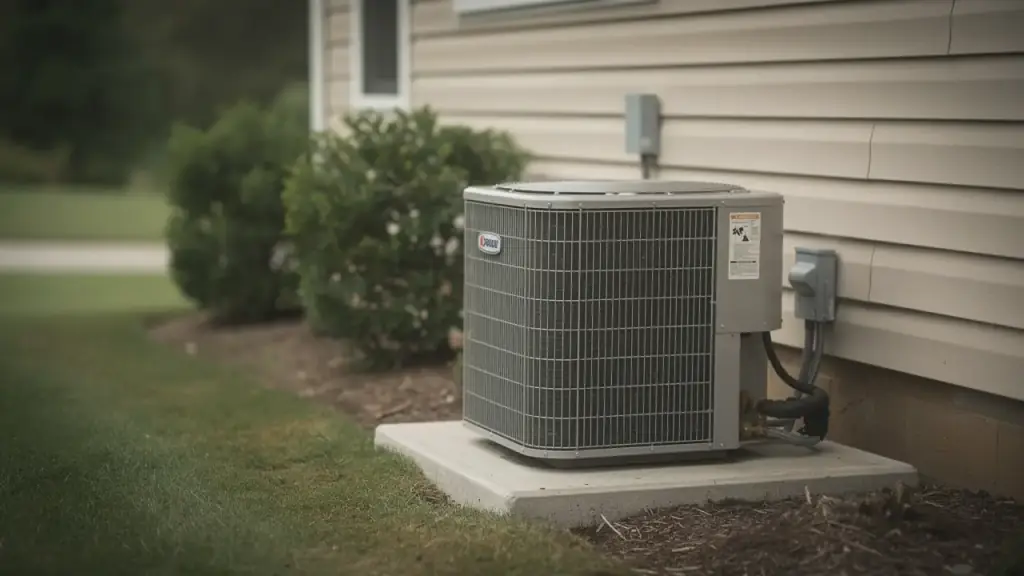
A heating system can sit mostly idle through a Missouri fall, running for an hour here and there on a cool morning, and never really get pushed. Then the first genuinely cold night arrives, the thermostat calls for heat and keeps calling, and whatever was quietly wrong all along finally shows itself. Before picking up the phone, there's a short list of things worth checking yourself. None of them require tools you don't already own, and all of them take less time than waiting on hold.
Start with the thermostat
It sounds obvious, but a surprising number of no-heat calls trace back to the thermostat itself. Check that it's set to heat, not cool or off, and that the set temperature is actually above the current room temperature. If it's a battery-powered model, weak batteries can cause a blank or unresponsive display, or settings that don't hold, especially on the first cold night of the year when the system suddenly needs to run far more than it has all fall. Swapping the batteries takes thirty seconds and rules out one of the most common causes before anything else gets checked.
Check the power and the switch
Furnaces run on electricity even when they burn gas, for the blower motor and the control board. Check the breaker for the furnace in the electrical panel and make sure it hasn't tripped. Many furnaces also have their own switch near the unit itself, sometimes tucked in a spot that looks like a regular light switch, and it's easy for that to get bumped off during other work in a basement or utility closet. Both of these take a minute to check and, if either one is the actual problem, save an entire service call.
Check the filter
A clogged filter restricts airflow badly enough that some furnaces will shut down as a safety measure rather than overheat internally. If the filter hasn't been changed recently and looks visibly gray or packed with dust, swap it and see if that resolves the problem. This is also the point where it's worth thinking about whether the house needs more than a basic filter, which is its own separate question with its own separate answer.
Check the vents, and don't panic at a first-run smell
Walk the house and make sure supply vents and return air grilles aren't blocked by furniture, rugs, or boxes that migrated in front of them over the fall. A blocked vent forces the system to work harder to heat the same space and can contribute to the same kind of airflow problems a clogged filter causes. It's also normal for a furnace to put off a faint burning-dust smell the first time it fires up after months of sitting idle, as dust that settled on the heat exchanger burns off. That smell should fade within an hour or so. A persistent smell, a strong odor, or anything that smells like plastic or gas is a different situation and worth stopping the system for.
For a heat pump specifically
If the system is a heat pump, check the outdoor unit for anything blocking airflow: leaves, debris, or a buildup of ice or snow around the coil and fan. A heat pump working hard on the first truly cold night is exactly when a partially blocked outdoor unit shows its effect. If freezing rain is involved rather than just cold, switching to emergency or auxiliary heat protects the fan blades directly rather than just clearing a blockage.
What not to try to fix yourself
- If you smell gas anywhere near the furnace, leave the house immediately, don't operate any light switches or the thermostat on your way out, and call the gas company or 911 from outside before doing anything else.
- Don't open the furnace cabinet to inspect the burners, ignition system, or heat exchanger. These involve gas, electricity, and components that can cause real injury or a house fire if handled wrong.
- Don't attempt refrigerant-related work on a heat pump. That requires licensing and equipment a homeowner doesn't have.
- If the breaker keeps tripping repeatedly after being reset, stop resetting it and call rather than assuming it will hold the next time.
When it's time to call
If the thermostat, breaker, switch, and filter all check out and the system still isn't producing heat, that's the point to call rather than keep guessing. Crawford's caps a diagnostic visit at $65, one time, so finding the actual problem doesn't turn into an open-ended bill, and their standard service call includes at least 30 minutes on site. They're licensed in Missouri, fully insured, and reachable at (573) 336-0085, Monday through Friday from 8:00 AM to 5:00 PM, with emergency service available outside those hours for exactly the kind of no-heat call that shows up on the season's first cold night.
Crawford's Heating & Cooling, (573) 336-0085
Call (573) 336-0085More articles
Freezing Rain and Your Heat Pump: The Fix Is One Switch
It's a tip Crawford's has posted to their own customers twice, three years apart, because people keep needing to hear it.
What a Service Call Should Actually Cost You (And What to Ask First)
Crawford's built a published consumer protection policy around six questions homeowners ask before letting anyone in the door. Here's what's in it.